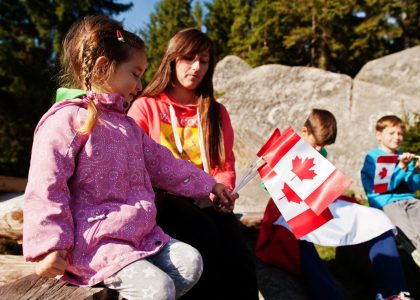

World Refugee Day serves as a reminder of Canada’s ongoing commitment to protecting individuals fleeing persecution, conflict, and human rights violations. In 2026, Canada continues to refine its refugee protection system through updated immigration policies, strengthened procedural safeguards, and expanded settlement support under the Immigration and Refugee Protection Act (IRPA).
Recent reforms introduced under federal immigration modernization efforts-including updates linked to Bill C-12 and IRCC’s 2026–2028 Immigration Levels Plan-aim to improve system integrity while ensuring that genuine claimants continue to receive fair access to protection. These measures reflect Canada’s dual objective: maintaining an efficient asylum system while upholding its international obligations under the 1951 Refugee Convention.
1. Strengthened Refugee Claim Processing & Eligibility Rules
Canada has introduced clearer eligibility standards to streamline asylum processing and reduce system backlogs.
- New ineligibility thresholds for delayed or irregular claims (including the one-year rule and 14-day irregular entry rule) to ensure timely filing and system efficiency
- Enhanced pre-referral screening by IRCC and CBSA before cases reach the Immigration and Refugee Board (IRB)
- Continued availability of Pre-Removal Risk Assessment (PRRA) for individuals who are not eligible for IRB hearings but still face removal risk
- Improved digital case management to reduce processing delays and improve decision consistency
These updates are intended to balance fairness with procedural integrity, ensuring that legitimate protection claims remain prioritized.
2. Ongoing Protection Through IRB Hearings and Legal Safeguards
The Immigration and Refugee Board of Canada (IRB) continues to serve as the independent decision-maker for refugee claims.
- Claimants retain the right to a full hearing where credibility and risk are assessed under sections 96 and 97 of IRPA
- Access to legal representation, including provincial legal aid in many jurisdictions
- Appeals and judicial review options through the Refugee Appeal Division (RAD) and Federal Court in applicable cases
- Protection against refoulement (forced return to persecution), consistent with international law obligations
These safeguards ensure that individuals are not removed without proper risk assessment.
3. Expanded Settlement & Integration Support
Canada continues to invest heavily in settlement services to support claimants and protected persons already in the country.
- Federal funding through IRCC-supported settlement agencies for housing, employment, and trauma support
- Language training programs (LINC) to improve long-term integration outcomes
- Community sponsorship and NGO-led initiatives assisting vulnerable families
- Enhanced access to healthcare and social services during the claim process in most provinces
Ontario, British Columbia, Alberta, Manitoba, and Atlantic provinces remain key hubs for refugee support due to strong infrastructure and community-based programs.
4. Humanitarian Commitment Amid Policy Modernization
Despite tighter administrative controls, Canada maintains one of the world’s most active humanitarian protection systems.
- Annual resettlement targets continue for Government-Assisted and Privately Sponsored Refugees
- Special humanitarian pathways remain available for crisis-affected populations
- Temporary public policies are introduced to address exceptional barriers (such as documentation or sponsorship disruptions)
- Commitment to international burden-sharing under global refugee frameworks
Recent federal planning confirms Canada will continue welcoming tens of thousands of refugees annually while managing system capacity responsibly.
5. Legal Perspective for Refugee Claimants
For refugee claimants, World Refugee Day is not only symbolic it reflects real procedural rights and evolving legal frameworks. With new eligibility rules and stricter timelines, early legal intervention has become more critical than ever.
Refugee claims lawyers play a vital role in:
- Assessing eligibility under updated IRPA rules
- Preparing strong evidence-based submissions
- Navigating PRRA and IRB proceedings
- Ensuring procedural fairness throughout the asylum process
Conclusion
On World Refugee Day, Canada reaffirms its commitment to protecting vulnerable individuals while modernizing its asylum system for fairness, efficiency, and sustainability. For claimants, understanding these evolving rules is essential to securing protection and successfully navigating the Canadian refugee determination process.